Who's Really on the Other End of That Medicare Call?
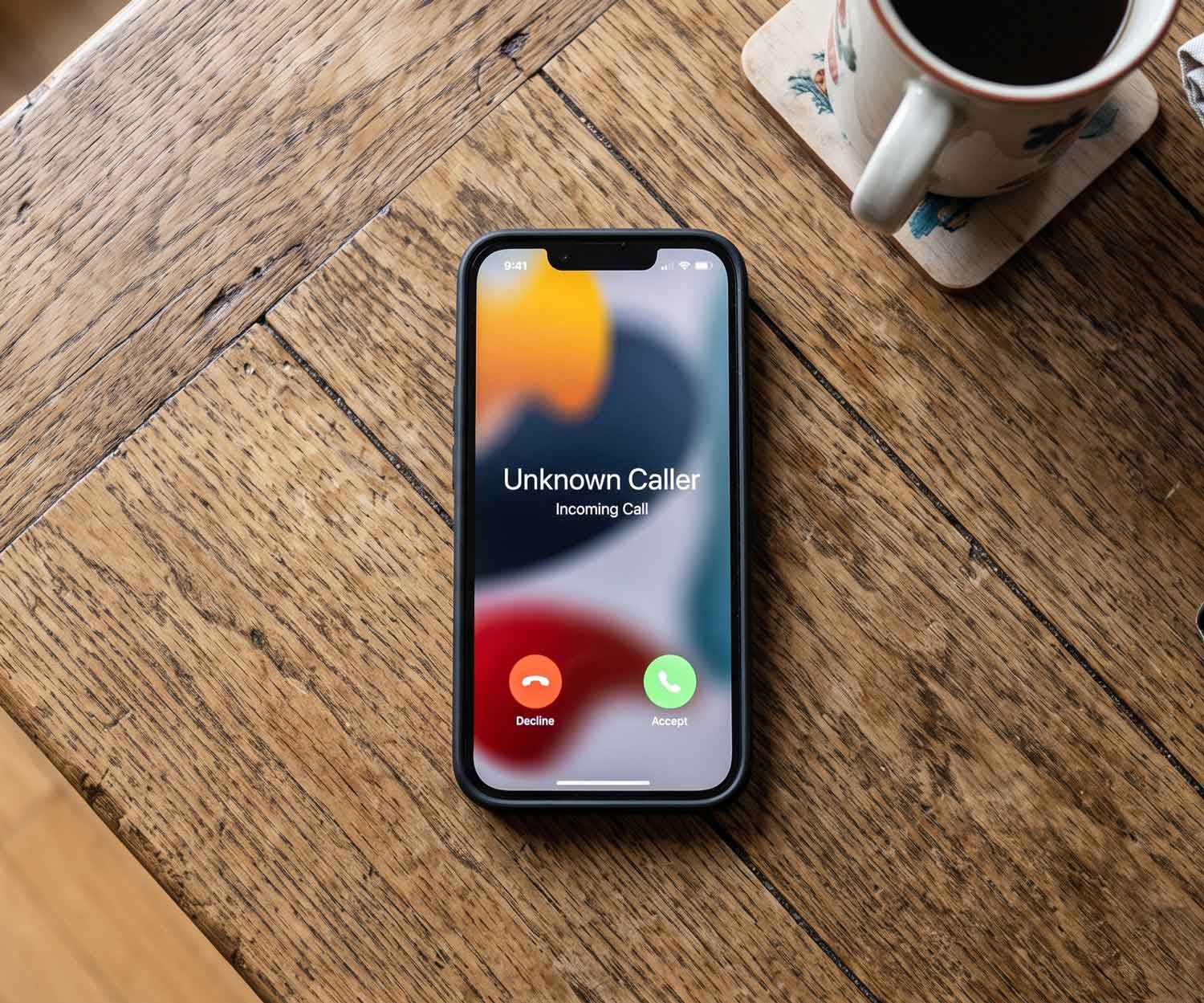
The phone rings. The voice on the other end says your name, your age, and your address. It sounds official. It may even sound friendly. And within a minute, you are being asked to confirm your Medicare number. What do you do?
Complaints about Medicare-related scam calls have climbed sharply over the past year. Reports to the Better Business Bureau indicate that these kinds of calls remain a major concern for people Medicare. Some have even described getting dozens of these calls in a single day. Enrollment season tends to make it worse, because legitimate outreach picks up at the same time criminals do.
Here is how these calls tend to sound, and how to protect yourself.
The Three Pitches You Are Most Likely to Hear
Many Medicare scam calls follow similar scripts. Once you recognize a few key patterns, the calls lose a lot of their power.
"You qualify for extra benefits"
A recorded voice says it is reaching out to make sure you receive unclaimed Medicare benefits. The recording asks whether you have Part A and Part B, then transfers you to a live person. The real goal is either to get your personal information or to switch you to a plan you did not ask for.
"Your card is expiring"
The caller warns that your Medicare card is about to expire, or that your coverage could be interrupted unless you verify a few details. Fear and urgency are the strategy here. If you hand over your Medicare number or Social Security number, criminals can use it to steal your identity or bill you for services you never received.
"Something free is on the way"
Free braces. Free hearing aids. Free gift cards or a free smartphone. The offered gift is bait. One woman in Texas received a large box of orthopedic braces she never ordered, and later learned Medicare had been billed more than $700 for them. Her secondary insurer was charged as well, and additional claims were filed for supplies she never requested.
Fraudulent claims can also leave inaccurate information in your medical records, including diagnoses for conditions you do not have.
Fake Agents Are Part of the Problem
Not every scammer sounds like a robot. Some present themselves as licensed insurance agents. They may reference a well-known carrier, quote a plan name, or offer to walk you through your options right now over the phone.
A few things a real agent will not do:
- Pressure you to decide something during a first call
- Refuse to give you a full name, license number, or office phone number
- Ask you to pay by gift card, wire transfer, or a payment app
- Tell you that you must act today or lose your coverage
- Show up at your door uninvited to sell you a plan
Verifying an agent is simpler than most people expect. Ask for their name and license number, then hang up and call the agency's main office number yourself. You can also check the license with your state Department of Insurance. Anyone who is legitimate will not mind you doing this; they know you need to be careful.
Habits That Keep You Safe
- Treat unexpected Medicare calls with skepticism, even friendly ones
- Never give your Medicare number, Social Security number, or bank details to someone who called you
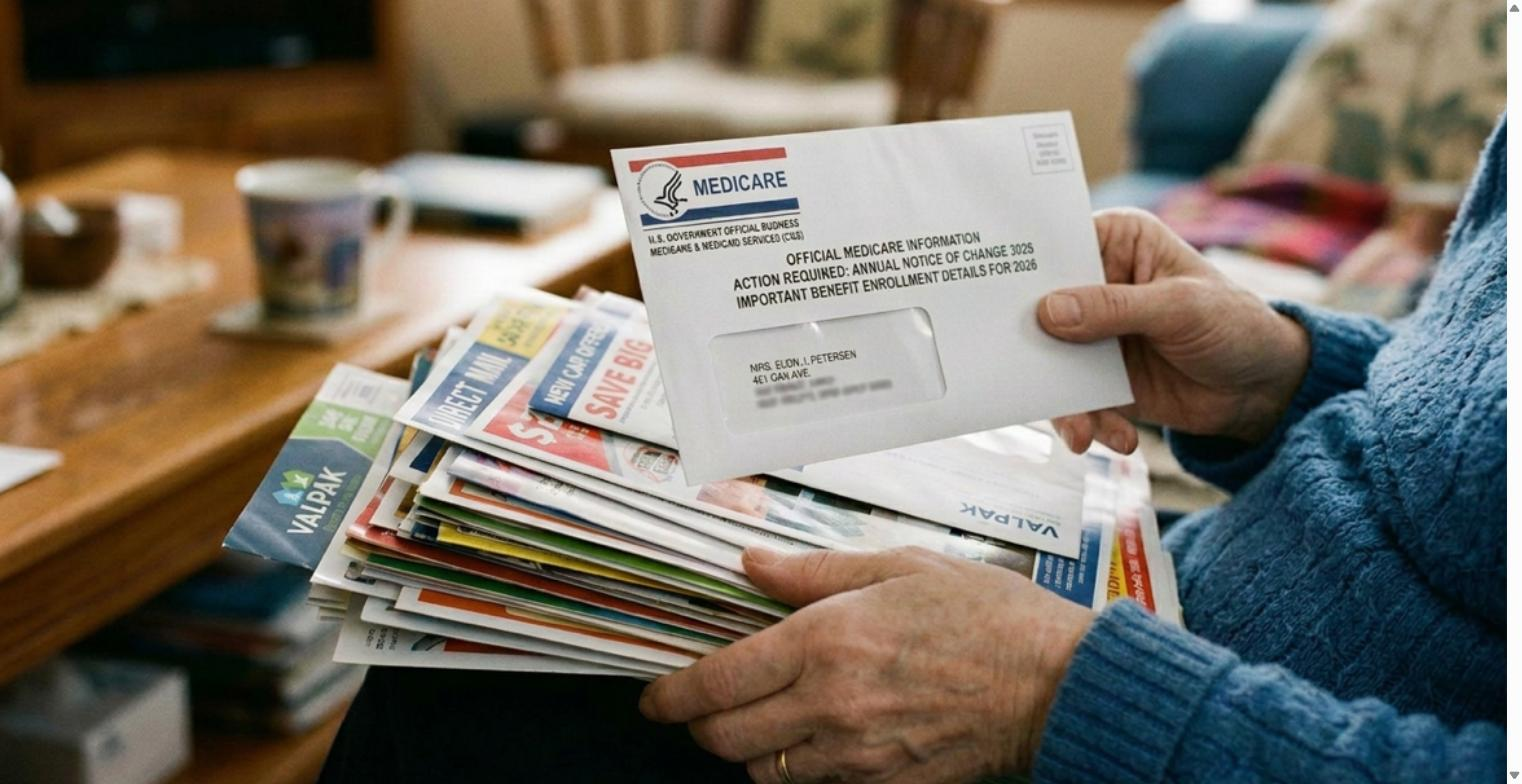
- Remember that Medicare generally reaches out by mail first and does not call to ask for your Medicare number or banking information
- Hang up on anyone who pressures you or claims your coverage is at risk
- Read your Medicare Summary Notices and Explanation of Benefits statements and look for charges you do not recognize
- Report anything unfamiliar right away
Hanging up may feel rude, but it is the single most effective thing you can do.
If You Think You Already Shared Something You Shouldn't Have
Act quickly, but do not panic. Write down what you shared and when. Review your recent statements. Then report it. You can contact the Senior Medicare Patrol program in your state, call 1-800-MEDICARE, or file a report with the Federal Trade Commission at ReportFraud.ftc.gov.
The Easiest Defense Is a Person You Already Know
Scam calls work because they catch people on their own and unsure. Having a licensed agent you already trust means you have someone in your corner. You have a number you can call to ask whether an offer is real before you respond to it. If you have questions about a call you received, or you want a second set of eyes on your current coverage, reach out to our office. We are here to help you!