What's Covered, What's Not, and Your Real Options
Before you spend a dollar, here's what you need to know: Original Medicare (Part A and Part B) does not cover hearing aids or the exams used to fit them. You pay 100% of those costs yourself.
This isn't a recent change. Hearing aids have been excluded since Medicare began in 1965, when they were treated as "routine" items rather than medical devices. Congress has introduced bills to change this, but none has become law.
The good news: this isn't the end of the story. You have several real paths to more affordable hearing care, along with the hearing services Medicare does cover.
What Original Medicare Does Cover for Your Hearing
While hearing aids are excluded, a few important services are covered.
Diagnostic Hearing and Balance Exams
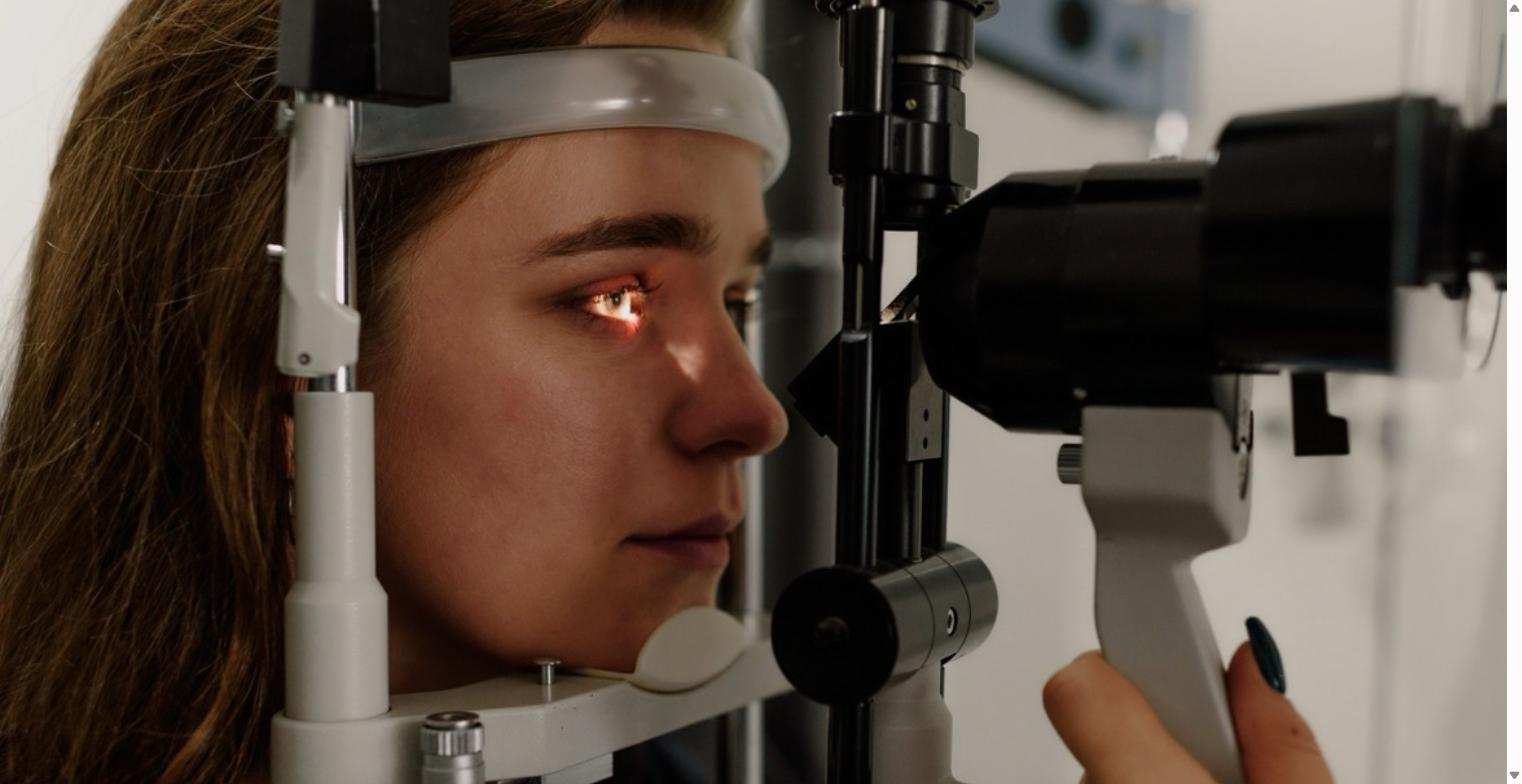
If your doctor orders a hearing or balance test to diagnose a medical condition, Part B covers 80% of the approved cost after your annual deductible.
One Audiologist Visit Per Year
You can now see an audiologist once every 12 months without a doctor's order for non-acute hearing concerns. This helps with diagnosis, but still won't pay for the hearing aids themselves.
Cochlear Implants and Bone-Anchored Hearing Aids
These are surgically implanted and classified as prosthetic devices, not hearing aids. Medicare covers them when medically necessary—typically for severe hearing loss that conventional aids haven't helped.
Your Best Path to Covered Hearing Aids: Medicare Advantage
If hearing aid coverage matters to you, a Medicare Advantage plan (Part C) is the most common way to get it. These plans are offered by private insurers and are required to cover everything Original Medicare covers, but many also add extra benefits, and hearing is one of the most common.
A number of Medicare Advantage plans now include some kind of hearing benefit. Depending on the plan, that can include a hearing exam, a hearing aid fitting, and an allowance toward the cost of the hearing aids.
A few things to understand before you assume you're covered:
• Benefits vary widely by plan and by location. Two plans in the same area can offer very different hearing benefits.
• Allowances usually reset every year and do not roll over. If you don't use it, you lose it.
• If your hearing aids cost more than the plan's allowance, you pay the difference out of pocket.
• Some plans require prior authorization or limit how often you can get new aids.
To see exactly what a plan offers, you can review its Evidence of Coverage document, talk to your insurance agent, or call the plan directly.
One Thing to Know: Medigap Won't Help Here
A common point of confusion involves Medicare Supplement plans, also called Medigap. These plans only help pay your share of costs for things Original Medicare already covers, such as deductibles and coinsurance. Because Original Medicare doesn't cover hearing aids, Medigap plans generally don't cover them either. If hearing aid coverage is your goal, Medigap is probably not the route to take.
A More Affordable Option: Over-the-Counter Hearing Aids
If you have perceived mild to moderate hearing loss, over-the-counter (OTC) hearing aids may be worth a serious look. Since the FDA established this category in 2022, adults 18 and older can buy them without a prescription, hearing exam, or professional fitting.
You'll find them at retailers like Best Buy, Walmart, Costco, and Walgreens, as well as online. Prices often start around a couple hundred dollars per pair, compared with thousands for traditional prescription devices.
OTC aids aren't right for everyone. They tend to work best for adults with mild to moderate hearing loss who feel comfortable adjusting settings through an app or on the device itself. On the other hand, if your hearing loss is severe, came on suddenly, affects just one ear, or comes with pain, drainage, dizziness, or ringing, it's worth seeing an audiologist or doctor before buying anything. Those symptoms can point to a medical issue that a professional should evaluate and that the right prescription device can address far better.
Other Ways to Lower Your Costs
Even without direct Medicare coverage, several avenues can ease the expense.
• Medicaid. If you're enrolled in both Medicare and Medicaid (dual-eligible), your state's Medicaid program may cover hearing aids. Coverage varies significantly by state.
• VA benefits. If you're a veteran, the Department of Veterans Affairs often provides hearing aids and repairs at a reduced cost for those who qualify.
• HSA or FSA funds. If you have a Health Savings Account or Flexible Spending Account, both OTC and prescription hearing aids are qualified medical expenses you can pay for with pre-tax dollars. However, it is important to note that once you are enrolled in Medicare (either Part A and/or Part B), the IRS prohibits you from contributing to a Health Savings Account, and imposes a 6% tax penalty for any contributions to the HSA made by you (or your employer, if applicable). You may, however, use funds in an HSA to help pay for hearing aids if those funds were deposited in the HSA prior to your enrollment in Medicare.
Hearing Aid Devices: An Important Investment
Original Medicare won't buy your hearing aids, but you are far from out of options. For most people, the practical choices come down to a Medicare Advantage plan with a hearing benefit, an over-the-counter device for milder hearing loss, or assistance through Medicaid, the VA, or health savings accounts. The best fit depends on your degree of hearing loss, your budget, and the plans available where you live.
Would you like help evaluating your options? Just reach out. We are happy to assist you.